

Alumni trip to Yunnan and Tibet
Report by tour guide and UZH alumnus Dr. Hans Jakob Roth on the ETH and UZH alumni trip to Yunnan and Tibet in June 2024.
A trip to Tibet was originally planned for 2020, but Covid prevented this from happening until June 2024. However, the delay had its advantages, as the alumni were among the first foreign groups to be able to travel to Tibet again.
From Kunming, the capital of Yunnan Province, at 1900 m above sea level, we spent the first week getting used to the higher altitudes of the Himalayas via Dali, Lijiang and Shangri-La at 3100 m above sea level. In Dali, we visited the park with the three pagodas from the Yuan and Song periods and had the opportunity to walk through the market. In Lijiang we were greeted by one of the few remaining statues of Mao Zedong in the city and in Shaxi we had the opportunity to visit the community center, which had been restored with the help of the ETH, and to see for ourselves the cooperation between the university and the architecture department of Nanjing University.
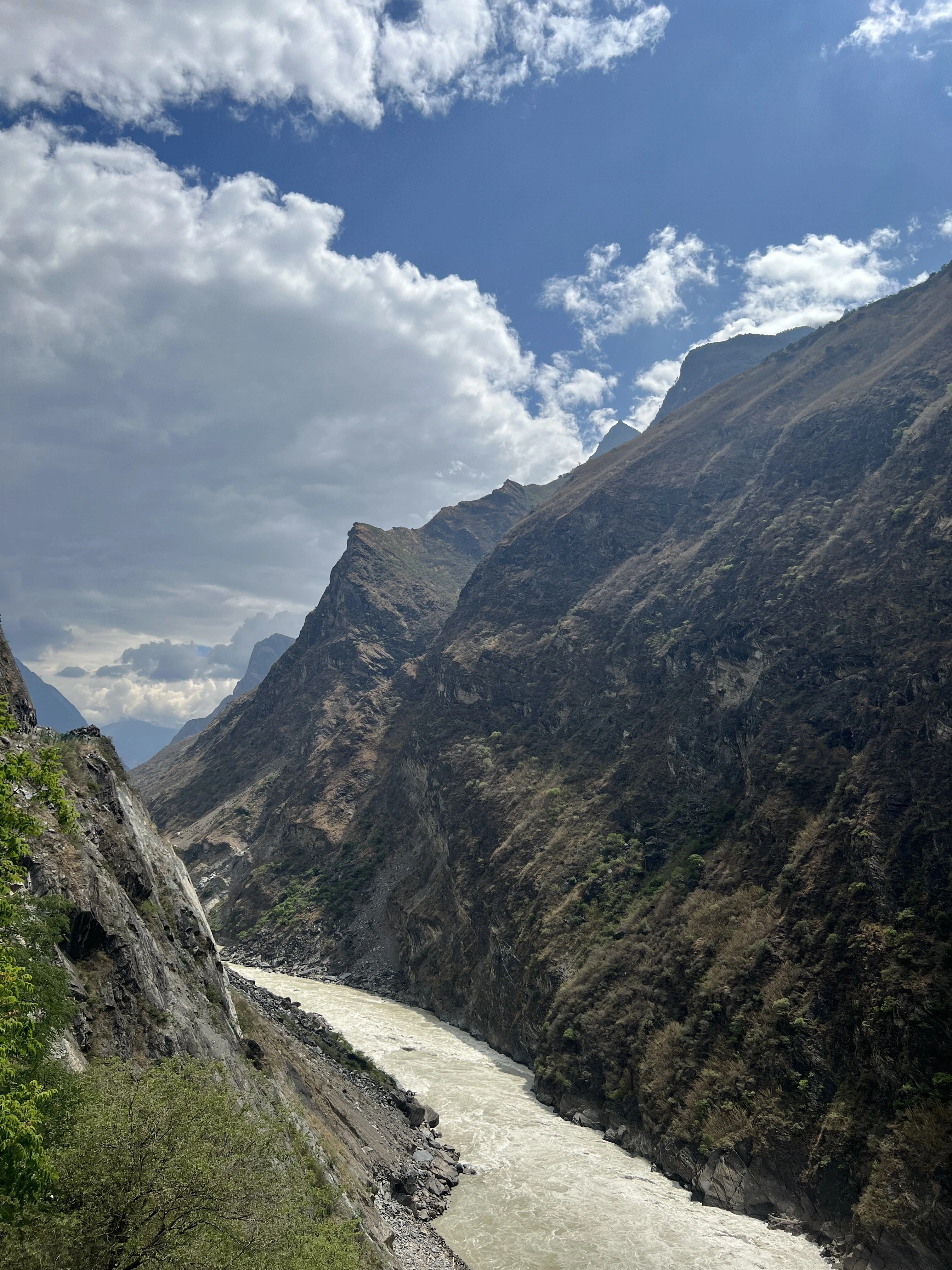
After visiting the gorges of the Yangtze River, which squeezes through the folds of the Himalayas into the Chinese lowlands, we went to Zhongdian, which has now been renamed Shangri-La. Whether it is actually Shangri-La, as described by James Hilton in his book in the 1930s, remains an open question to this day. From here, we flew over the Himalayas to Lhasa airport in the Yarlung Valley in around one and a half hours.
The second week was dedicated entirely to Tibet. On the way to Lhasa, we stopped in the Yarlung Valley at Yumbulagang, the castle of the first Tibetan king. We were impressed by the efforts of the Chinese government to stop the devastation of the landscape caused by the sandstorms with large-scale reforestation. In Lhasa itself, we visited the huge Potala Palace complex and the summer residence of the Dalai Lama, Norbulinka. We also had plenty of time to get to know the city and went to the People's Park in the evening to marvel at the illuminated Potala.
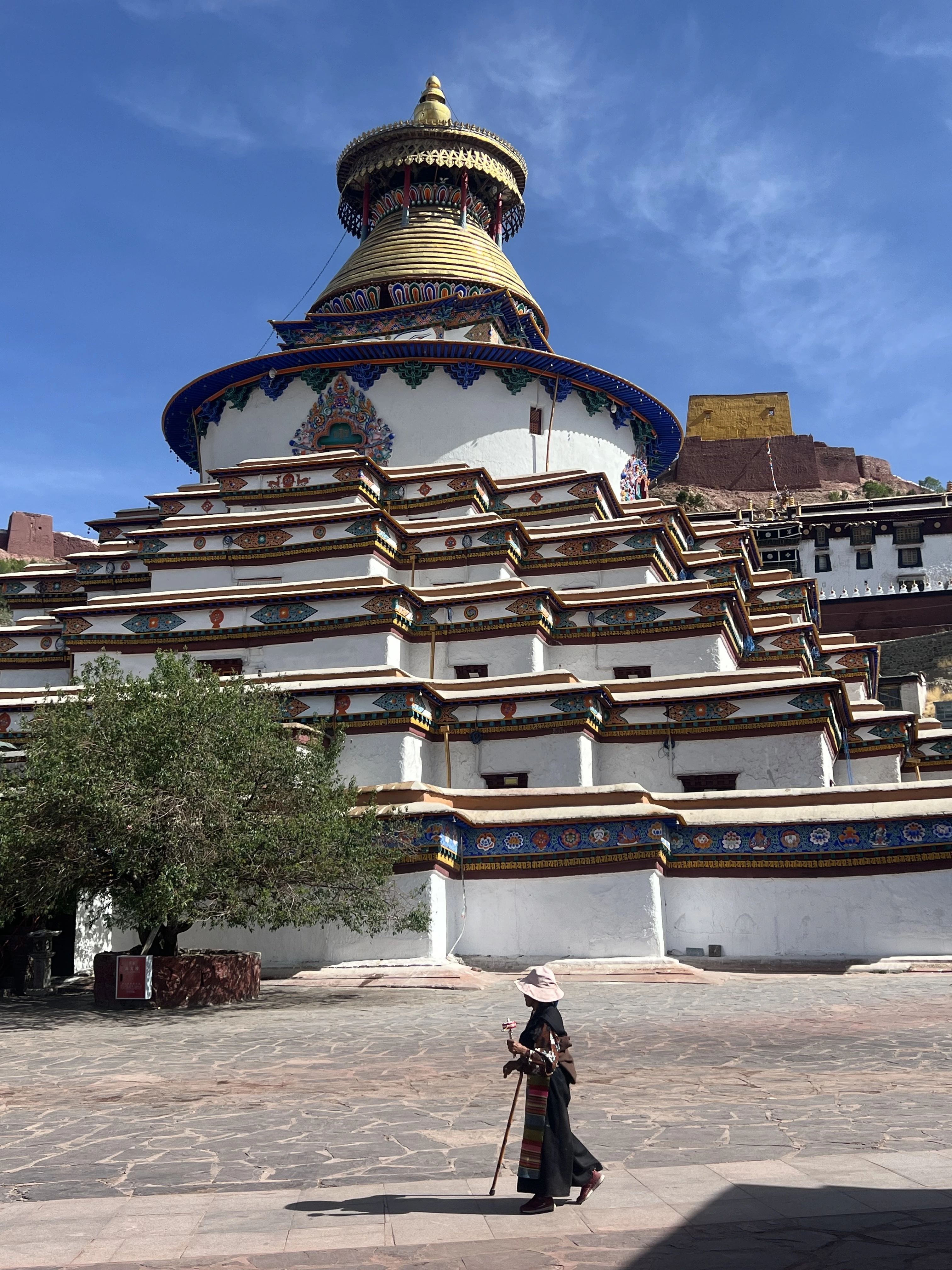
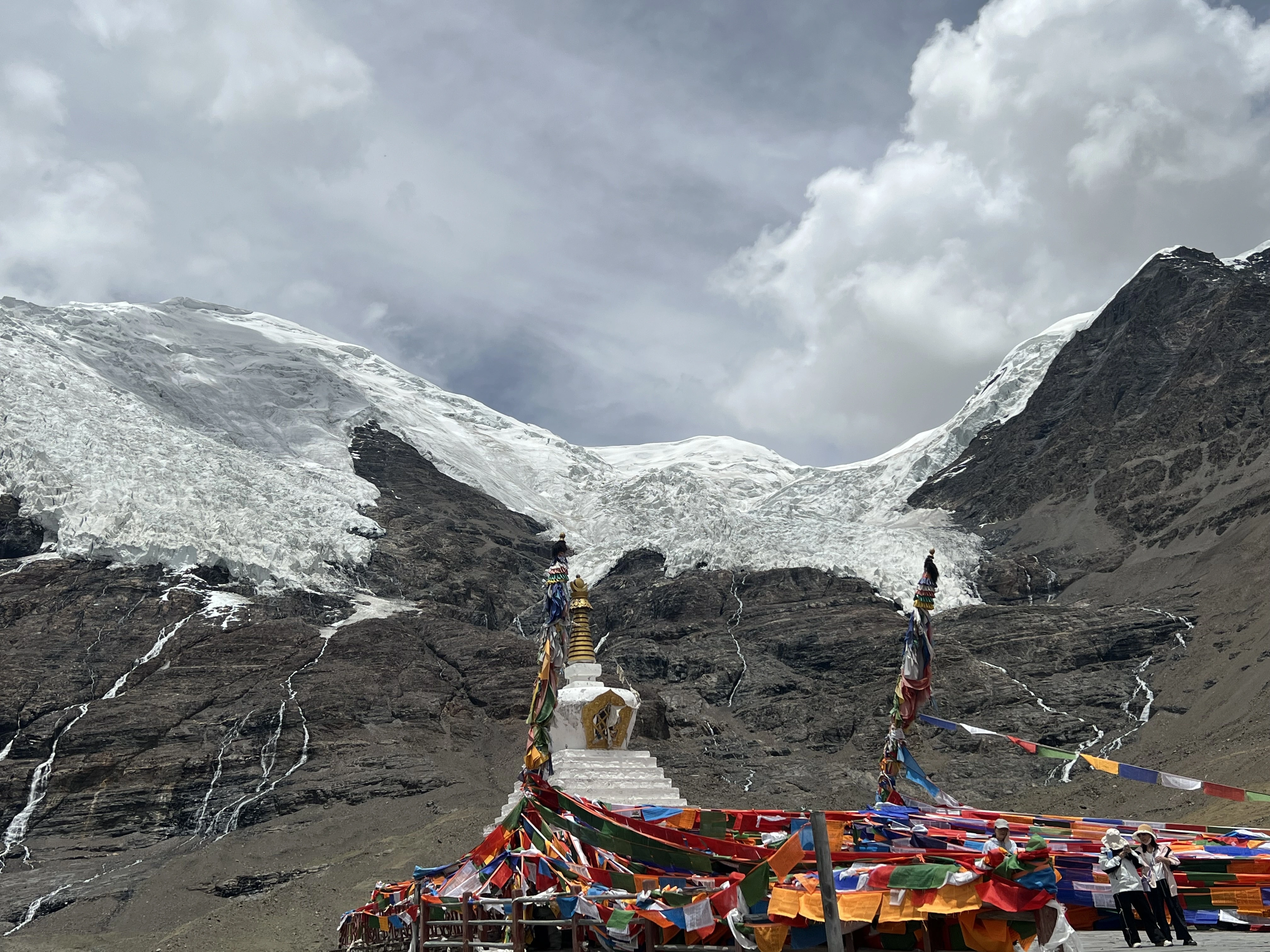
A long four-day round trip took us over the Khamba-La Pass at 4795 m above sea level along the Yamdrok-tso Lake to the Karo-la Pass at 5050 m above sea level and on to the town and monastery of Gyantse. Unfortunately, we only had a brief glimpse of the Nagarzé at 7200 meters in the cloudy Himalayas. However, we did get a good impression of the alpine flora at this altitude. One of the highlights of the round trip was certainly the visit to the Gyantse Kumbum, a monastery tower from the 15th century in the town of Gyantse.
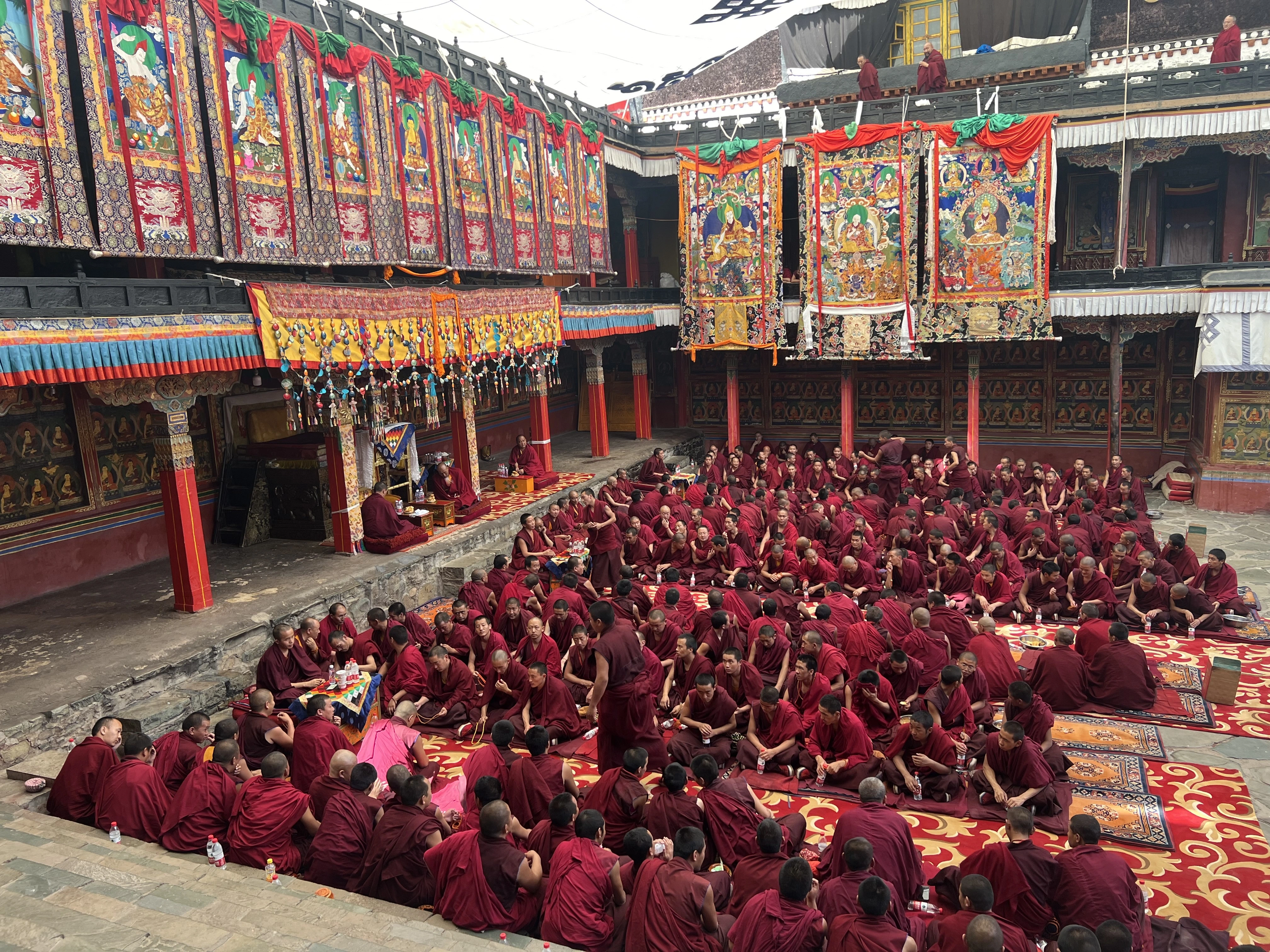
On the way to Shigatse along the upper reaches of the Yangtze, we were able to get an idea of the great Chinese efforts to make Tibet more accessible by building railroads and roads. This also makes access to the Chinese-Indian border in the Himalayas easier for the military, whose presence could not be overlooked. Via the city of Shigatse, where we visited the Panchen Lama's home monastery, Tashilhumpo, we finally returned to Lhasa airport in the Yarlong Valley and started our return journey to Zurich via Bangkok with Thai Airways.
Dr. Hans Jakob Roth
Impressions

Cover picture: Potala by night